
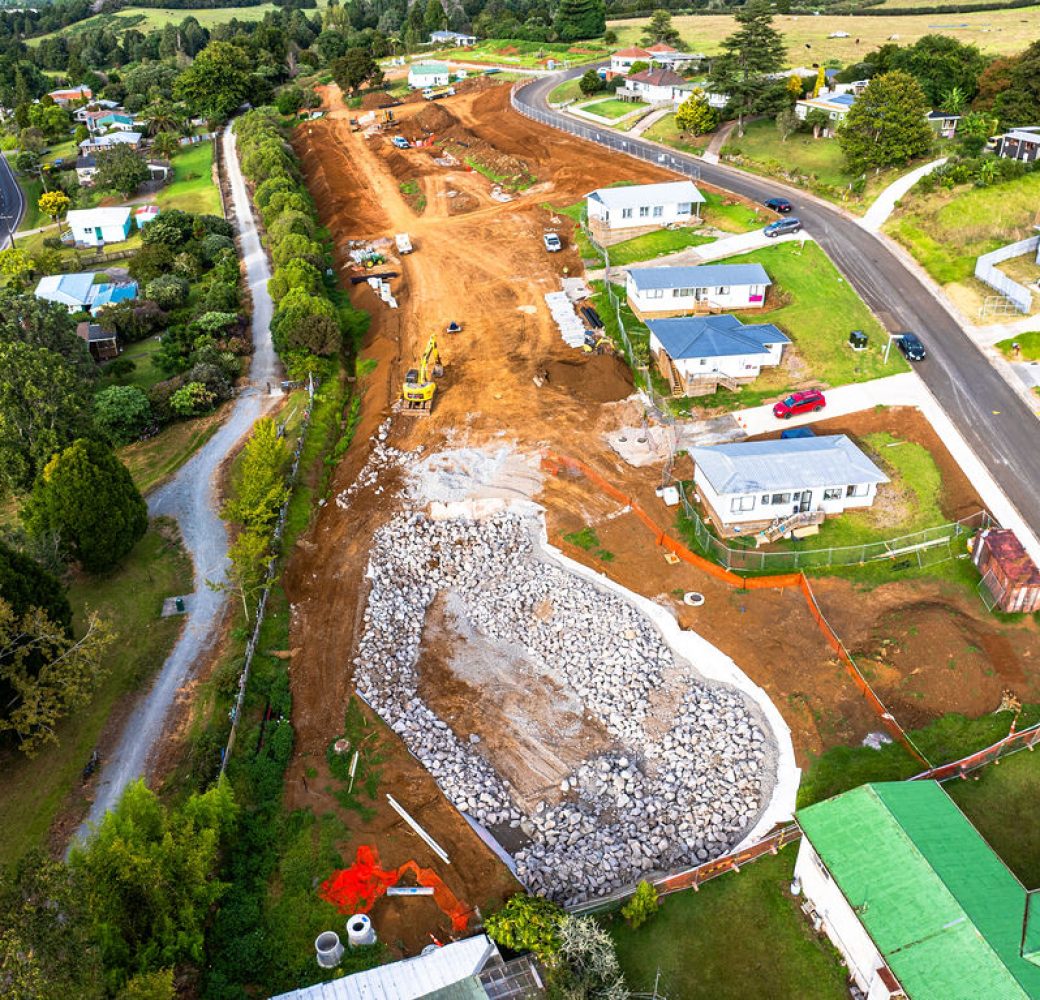
A successful build starts well before concrete is poured or framing arrives on site. The right land development contractors Northland property owners choose can turn a difficult section into a workable, well-prepared foundation for what comes next. Get the early work wrong, and delays, drainage issues and unexpected costs can follow a project long after the earthmoving equipment has left.
In Northland, land development is rarely a matter of simply clearing a site and cutting a building platform. Terrain, soil conditions, rainfall, access, existing services and consent requirements all need careful consideration. Whether the project is a new home, a subdivision, a commercial yard or a community facility, the quality of the site works affects every stage that follows.
What land development contractors Northland projects need
A capable development contractor brings practical construction knowledge to the groundworks stage. That matters because site preparation is not separate from the build – it sets up the build. The finished levels must work with the building design, vehicle access, stormwater plan, retaining requirements and service connections.
The scope can vary widely. On a straightforward residential site, the work may involve clearing, stripping topsoil, shaping a building platform, installing drainage and preparing access. On a larger subdivision or commercial project, it may include bulk earthworks, roading, retaining, sediment controls, service trenching and coordination with multiple consultants and trades.
The best approach depends on the land and the intended use. A flat town section may need relatively limited preparation, while a sloping rural site can demand detailed staging, engineered retaining and carefully planned access for trucks and machinery. Treating both sites the same is where avoidable problems begin.
Local conditions are part of the job
Northland’s landscape is one of its strengths, but it can make development more complex. Rolling country, coastal exposure, variable soils and periods of heavy rain all influence how land should be prepared. Wet ground can restrict machinery movement, while clay soils may require a different approach to drainage, compaction and pavement construction than firmer ground.
Good contractors assess the practical realities early. They consider where water naturally moves across the site, how construction vehicles will enter safely, where spoil can be managed, and how finished levels will sit alongside neighbouring land. These details are not glamorous, but they protect the programme and the finished asset.
Start with a clear plan, not a machine on site
The temptation on a new section is to start clearing and moving earth as soon as possible. In practice, that can create more work. Before physical works begin, the project team needs clarity around boundaries, available services, design levels, engineering requirements and the approvals that apply.
For many developments, this means coordinating with surveyors, planners, engineers and local authority requirements before the contractor starts. The contractor does not replace those specialists, but an experienced construction team can identify construction issues early and help ensure the design is practical to deliver.
This early coordination is especially valuable where access is tight, the site is steep or the project will be built in stages. It is far easier to adjust a plan before machinery arrives than to rework a platform, relocate drainage or alter a retaining solution halfway through construction.
The work that should be properly coordinated
Land development involves a sequence of connected tasks. Each task needs to support the next, rather than becoming an isolated piece of work completed without regard for the overall project.
Site clearing and stripping need to be undertaken with care, particularly where topsoil is to be retained for later landscaping or where sediment controls are required. Earthworks then establish the formation levels, building platforms, accessways and drainage falls. Compaction and testing may be required to confirm the ground has been prepared to the specified standard.
Stormwater needs particular attention. A well-shaped site directs water where it is intended to go and prevents it from pooling around buildings, driveways or neighbouring properties. This may involve swales, sumps, culverts, detention systems or carefully graded surfaces, depending on the approved design and site conditions.
Retaining is another area where early judgement pays off. Retaining walls can create usable land on a sloping section, but their location, height, drainage and structural design must work together. Choosing the cheapest-looking option without considering engineering, access and long-term maintenance can be a costly false economy.
Finally, there is site access. Roads, entrances and temporary haul routes need to serve the construction phase as well as the finished development. A driveway that looks simple on a plan may need significant preparation to safely handle concrete trucks, delivery vehicles and plant during the build.
Choosing a contractor on more than price
A competitive quote matters, but it should not be the only measure when selecting a land development contractor. The lowest number may exclude key work, allow too little for difficult ground conditions or rely on assumptions that do not match the approved plans.
Ask prospective contractors how they approach programme, weather delays, drainage, spoil management and changes uncovered on site. Their answers should be clear and practical. A good contractor will explain what is included, what may be provisional, and where the project carries genuine uncertainty.
It is also worth looking at the breadth of their completed work. Contractors with experience across civil earthworks, residential construction and commercial projects can see the connection between site works and the finished building. They are better placed to coordinate details such as slab levels, service routes, vehicle movements and handover requirements.
Local knowledge is valuable too. A Northland-based team understands the region’s conditions, common site challenges and the importance of maintaining good relationships with neighbours, suppliers and local trades. For clients, that usually means fewer assumptions and more useful conversations from the beginning.
Communication protects the programme
Land development rarely runs in a straight line. Weather changes, ground conditions differ from expectations, and design decisions can evolve as the project takes shape. The important thing is how those matters are communicated and managed.
A reliable contractor keeps clients informed about progress, upcoming decisions and any issue that could affect time or cost. They coordinate with engineers and other consultants when technical input is needed, rather than pressing ahead with a quick fix that creates a problem later.
This is particularly important for developers and community organisations managing several stakeholders. Clear reporting and realistic programme updates help everyone understand what has been completed, what is coming next and where decisions are needed. Good communication does not eliminate every challenge, but it prevents surprises from becoming disputes.
Build the site for the long term
The finished land should do more than look tidy at practical completion. It should provide a sound base for buildings, safe access for people and vehicles, sensible water management and room for the property to function as intended.
For a family home, that may mean a dry, stable platform with a driveway that works in winter and enough usable outdoor space. For a commercial operation, it may mean durable hardstand areas, practical vehicle circulation and services positioned for future expansion. For a subdivision, it means infrastructure and finished levels that support every lot, not just the first build.
Procraft Construction approaches site preparation and civil works with this wider construction outcome in mind. The benefit of a team experienced in earthworks, building and complex regional projects is straightforward: decisions made in the groundworks stage can be assessed against what the project needs to become.
A well-developed site gives every later trade a better starting point. Take the time to establish the plan, choose a contractor who understands Northland conditions, and make the early work count – because the ground beneath a project is where long-term quality begins.