
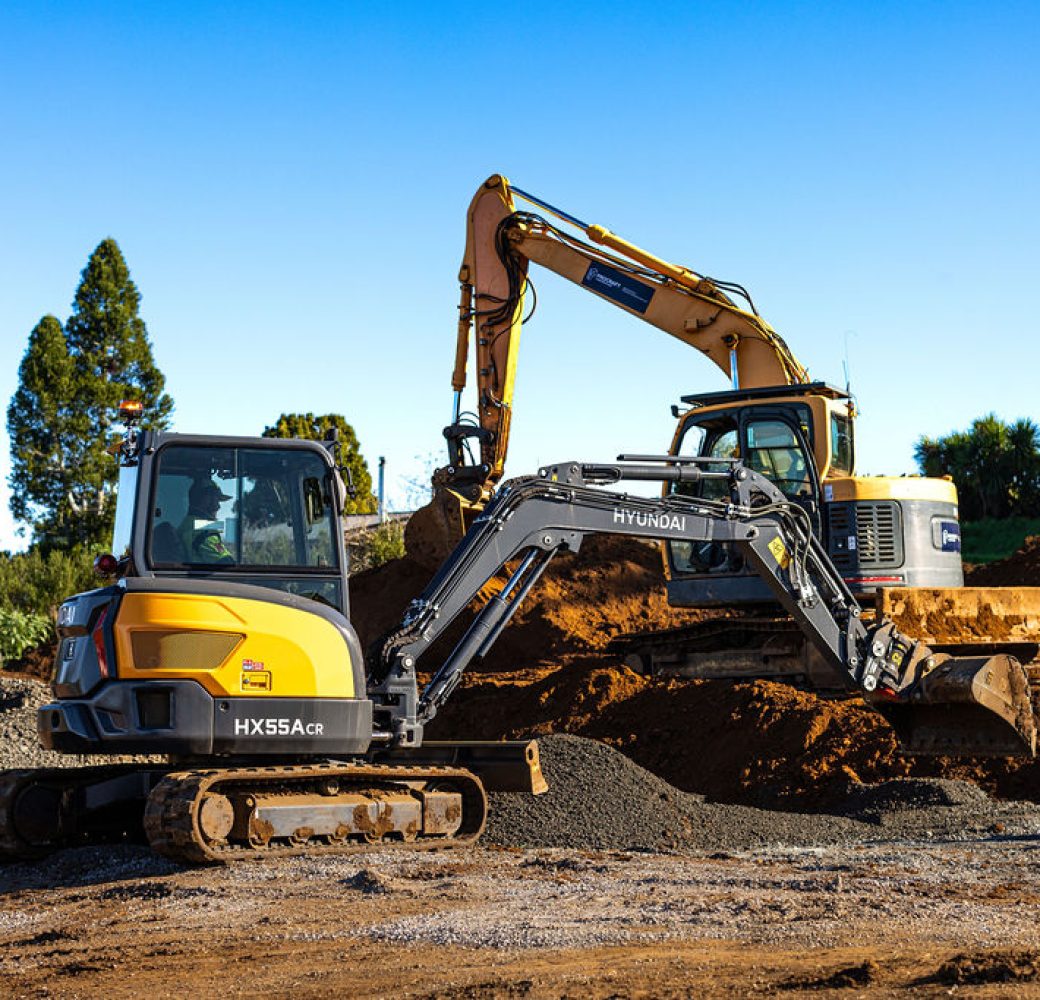
When a site looks simple from the road but starts moving under a machine, that is usually where the real work begins. Civil earthworks Northland projects rarely follow a textbook pattern. Ground conditions can shift quickly, access can be tighter than expected, and weather can change the programme in a matter of days. Getting the early stages right makes everything that follows easier, safer and more cost-effective.
For landowners, developers, commercial clients and community organisations, earthworks are not just about moving dirt. They set the standard for drainage, access, stability, finished levels and how well the wider build comes together. If the groundwork is rushed or poorly planned, the problems tend to show up later in the form of delays, rework and avoidable cost.
Why civil earthworks in Northland need local knowledge
Northland has its own building rhythm. Coastal exposure, heavy rain events, mixed soil types and rural access all affect how a job should be planned and delivered. A site in Kerikeri behaves differently from one inland, and a subdivision package has very different demands from a commercial yard extension or a residential platform cut.
That is why local knowledge matters. It helps with practical decisions before machinery even arrives on site – how to manage water, where spoil can be moved, what access routes will hold up, and how to sequence works so the programme stays realistic. Regional experience also helps when coordinating with surveyors, engineers, councils and other trades, because timing and compliance are just as important as production.
In civil work, there is no value in treating every site the same. The best outcomes usually come from assessing the site honestly, identifying the likely pressure points early and building a plan that suits the land, not just the drawings.
What good civil earthworks Northland delivery looks like
Well-run earthworks are usually easy to miss because they feel orderly. The site is prepared properly, machinery is used efficiently, drainage is considered from the outset, and each stage supports the next one. There is less stop-start, fewer surprises and better coordination across the project.
That can include bulk earthmoving, site cuts and fills, foundation preparation, drainage runs, accessways, hardstand areas, retaining support, service trenching and final trimming. On larger sites, it may also involve subdivision enabling works or preparing land for community and commercial infrastructure.
The key point is that these elements are connected. Drainage affects formation. Formation affects pavement performance. Access affects safety, productivity and cost. Finished levels affect how the structure sits and performs over time. When earthworks are handled as part of the wider construction picture, the result is usually stronger than a narrow scope delivered in isolation.
Early planning saves time later
One of the most common issues on earthworks projects is starting too quickly with too little clarity. There can be pressure to get machines moving, especially when clients are trying to maintain momentum. But speed at the beginning does not always mean speed overall.
A better approach is to be clear on the scope, site constraints and sequence of works before the job is fully underway. That means understanding where water will go during and after construction, what level tolerances matter most, how access will work for heavy equipment, and where materials can be stored or removed without disrupting the rest of the site.
It also means being realistic about weather. Northland conditions can turn a manageable site into a difficult one very quickly. Programmes need enough flexibility to account for that. Pretending the weather will cooperate for the full duration is not planning – it is wishful thinking.
The practical challenges behind the work
From the outside, earthworks can look straightforward. In practice, the job is often a balance of engineering intent, site reality and programme pressure. A few of the common challenges include variable ground, water management, limited access and working around live operations or occupied properties.
Variable soil conditions are a good example. What appears stable in one area may be soft or reactive in another. That can affect compaction, pavement design, foundation prep and machine productivity. If the team on site knows what to look for and communicates early, those issues can be managed before they spread through the programme.
Water is another major factor. Surface water and groundwater can both complicate a site, particularly after rain. Proper drainage planning is not a finishing detail. It needs to be considered from the start, because unmanaged water can damage formation, slow machinery, create safety risks and undermine completed work.
Access can also make or break a project. Tight rural entries, neighbouring properties, public interfaces and live business operations all require practical thinking. The best earthworks teams do not just ask whether a machine fits through the gate. They think about truck movements, stockpile locations, turning space, site safety and how the work affects everyone else using the area.
Earthworks are about more than excavation
A good civil contractor is not there just to shift material from one place to another. The role is broader than that. It includes reading the site, identifying risks, communicating clearly and making practical adjustments without losing sight of quality.
That matters for residential and community projects as much as it does for larger commercial work. A house site still needs accurate levels, stable preparation and sensible drainage. A marae development or public-use facility needs the same care, along with respectful planning around site access, neighbours and ongoing use. Larger industrial or subdivision work simply increases the scale and coordination required.
This is where broad construction capability becomes valuable. When the team understands the building stage that follows the earthworks, decisions made on the ground tend to support the bigger picture. Levels are set with the next trade in mind. Access is planned around future activity. Site prep is done to help the structure perform, not just to tick off a preliminary package.
Choosing the right contractor for civil earthworks Northland
The cheapest price can be tempting, especially on large scopes. But earthworks are one of the worst places to buy on price alone. If the contractor underestimates the site, communication is poor or quality slips, the cost usually comes back later.
A better test is capability and fit. Has the contractor worked across similar Northland conditions? Can they manage both straightforward and more complex scopes? Do they communicate clearly when conditions change? Are they practical about programme, access and sequencing? And can they work as part of a wider build team rather than treating their package as a stand-alone task?
Experience matters, but so does attitude. Good earthworks contractors are direct about risks, realistic about timing and focused on outcomes that last. They do not overcomplicate the work, but they also do not pretend every site is easy.
For many clients, trust comes from seeing a team that is steady under pressure. That might mean solving an access issue without fuss, coordinating around other trades, or adjusting the work sequence after unexpected weather. Reliability on site is often more valuable than bold promises made before the job begins.
A regional project approach makes a difference
Northland clients often need more than a narrow subcontractor relationship. They need a construction partner who can understand the full job, communicate well and keep things moving across different stages of work. That is especially true on projects involving site preparation, structural works and follow-on building packages.
A company such as Procraft Construction brings value here because the earthworks are understood as part of the broader build outcome. That is useful for developers, business owners, homeowners and community groups alike. It means decisions made at ground level are informed by what needs to happen next, which usually leads to better coordination, stronger workmanship and fewer avoidable disruptions.
The practical benefit is simple. When local knowledge, planning and delivery all line up, the site works harder for the project instead of against it.
Civil earthworks are the kind of work that people only notice when something goes wrong. But when they are handled properly, everything above them has a better chance of succeeding. If you are planning a project in Northland, it is worth choosing a team that understands the land, respects the process and takes pride in getting the groundwork right from day one.