
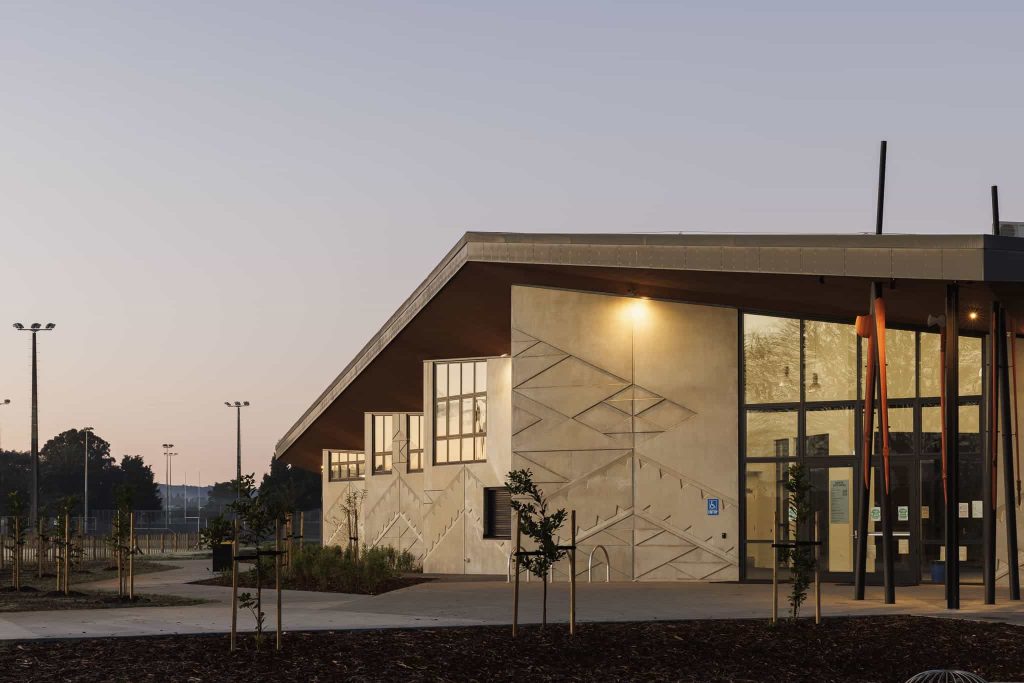
A commercial build in Northland rarely lives on paper for long. Before long, you are dealing with site access, ground conditions, council requirements, programme pressure, tenant needs, and the practical question every owner asks – can this team actually deliver what they say they will?
That is why choosing commercial builders Northland clients can rely on is less about flashy promises and more about proven capability. The right builder should understand the region, communicate clearly, manage risk early, and keep quality high from site establishment through to handover.
What sets good commercial builders in Northland apart
Commercial construction asks more of a builder than basic trade coordination. It requires planning, sequencing, problem-solving, and the ability to keep multiple moving parts under control without losing sight of the end use of the building.
In Northland, local knowledge matters even more than many clients first expect. Building in Kerikeri, Whangarei, the Far North, or smaller regional areas can bring very different site conditions, supply logistics, weather impacts, and subcontractor availability. A builder with genuine regional experience will price and programme with those realities in mind, rather than treating Northland like any other market.
Strong commercial builders also understand that the project is not just a structure. It is a business asset. For some clients, that means creating a fit-for-purpose workspace that supports daily operations. For others, it means building a retail, community, agricultural, or industrial facility that needs to perform reliably for years. Good delivery is not just about getting the job finished. It is about getting the details right so the building works as intended.
Why local experience matters in commercial builders Northland wide
A local builder brings practical advantages that can make a real difference to cost, timing, and buildability. Northland projects often involve factors that are better managed by teams who know the area well. That can include variable ground conditions, exposed coastal environments, rural access constraints, or the extra coordination needed when working outside main centres.
There is also the relationship side of construction. Local networks with suppliers, subcontractors, consultants, and councils can help smooth out issues before they become delays. That does not mean every project runs perfectly, because construction rarely does. It does mean experienced regional builders tend to spot risks earlier and respond faster when conditions change.
For clients, this often shows up in simple but important ways. Quotes are more realistic. Programmes are more grounded. Communication tends to be more direct. And when something needs to be discussed on site, you are dealing with people who are close by and accountable.
What to look for before you appoint a builder
Price matters, but it should never be the only measure. A low quote can become expensive if it leaves out key scope, underestimates site complexity, or creates disputes halfway through the project. Commercial work needs a builder who can see the whole job, not just the headline number.
Start with relevant experience. A builder who has completed workshops, commercial fit-outs, community buildings, site works, and structural upgrades is more likely to understand the demands of non-residential construction than one focused mainly on standard housing. Range matters too. Some projects involve civil works, retaining, drainage, site preparation, or staged construction around an operating business. The broader the capability, the easier it is to keep responsibility clear.
Communication is another strong indicator. If early conversations are slow, vague, or inconsistent, that usually does not improve once the job starts. You want a team that is straight with you about timeframes, constraints, budget pressure, and likely trade-offs. Good builders do not promise an easy path if the project is complex. They explain the path properly.
Then there is workmanship. Commercial buildings take punishment. Floors, doors, claddings, services, yards, and access points all get used hard. Quality in this setting is not decorative. It is operational. A well-built commercial space should hold up to daily use, support compliance, and reduce maintenance headaches down the track.
Commercial projects need a builder who can adapt
No two commercial builds are exactly alike. A new warehouse or workshop has different demands from a community facility, office upgrade, or mixed-use development. Some jobs are clean new builds on open sites. Others involve extensions to existing structures, staged works, or active sites where business must continue during construction.
That is where adaptability becomes a real asset. A capable commercial builder can shift between different project types without losing control of programme or quality. They know when to lead from detailed pre-planning and when to respond quickly to site realities.
This is especially relevant in Northland, where projects often sit across a broad mix of sectors. A builder might move from subdivision infrastructure to a marae development, then into workshop extensions or architecturally demanding construction. That kind of breadth usually points to an experienced team with strong systems and practical leadership.
The value of a full-spectrum construction approach
Many commercial jobs overlap with civil and site works more than clients expect. Earthworks, drainage, access, retaining, slab preparation, and service coordination can all shape the success of the vertical build. If those elements are fragmented across too many parties, delays and finger-pointing tend to follow.
A builder with broad capability across commercial construction, civil earthworks, and site preparation can often simplify delivery. There is a clearer line of responsibility, tighter coordination, and better visibility over how the site package affects the building programme. For clients, that usually means fewer surprises and a smoother decision-making process.
It also helps when the project evolves. Scope changes are common in commercial work. Sometimes they are driven by budget. Sometimes by consent conditions, tenant needs, engineering updates, or opportunities identified once works begin. A well-rounded team can adjust without losing momentum.
Quality and programme are not separate conversations
Clients are often told they must choose between speed and quality. In reality, poor planning is what usually causes that tension. When a builder manages sequencing properly, coordinates trades well, and addresses issues early, the project has a much better chance of staying on track without compromising workmanship.
That does not mean every delay can be avoided. Weather, supply constraints, and consent timing can still affect progress. Northland conditions can add their own challenges. The important difference is how a builder responds. Reliable commercial builders do not go quiet when problems arise. They communicate early, explain the impact, and present workable options.
That approach builds confidence because it treats the client like a project partner, not an outsider. It also protects outcomes. Commercial clients usually have downstream commitments such as lease dates, operational deadlines, staffing plans, or funding milestones. Transparent communication around programme is not a nice extra. It is part of professional delivery.
A builder should understand the community impact too
Not every commercial project is purely commercial in the narrow sense. Across Northland, many builds sit close to community life, local employment, iwi priorities, or shared regional infrastructure. That changes the way a project should be approached.
A community hall, marae development, workshop extension, childcare space, or local facility still needs technical competence and tight project management. But it also benefits from a builder who understands the people behind the project and the importance of getting it right for the long term. Respect, responsiveness, and practical collaboration matter.
That local, relationship-driven way of working is often what separates a trusted regional builder from a transactional one. Clients want to know the team on site cares about the outcome, takes pride in workmanship, and stands behind the finished job.
Choosing commercial builders Northland clients trust
If you are comparing commercial builders Northland wide, the smartest question is not simply who can build it. Plenty of teams can. The better question is who can build it well, manage the process properly, and understand what this project needs in this region.
Look for evidence in completed work, not just claims. Look for breadth of experience, especially if your project includes site works, complex coordination, or staged delivery. Look for a team that is practical, straight-talking, and comfortable discussing trade-offs before they become issues.
That is where a company like Procraft Construction stands out. Broad regional experience, hands-on project capability, and a strong grounding in both construction and site works give clients a more dependable path from planning through to completion.
The best commercial projects are not the ones with the smoothest sales pitch. They are the ones delivered by people who know Northland, know construction, and know how to keep a job moving when real-world conditions test the plan. If your next build matters to your business, your organisation, or your community, it is worth choosing a builder who treats that responsibility with the seriousness it deserves.